5 Types Of Glaze Create The Bat Trang Cramic Brand
This story is in Vietnamese for now.
Bát Tràng pottery has long been a symbol of Vietnamese ceramic art. Renowned not only for its meticulous craftsmanship, Bát Tràng pottery also captivates with its unique glazes, creating distinctive beauty and cultural value. Below are the five main glaze types that define the Bát Tràng brand.
1. Cobalt Blue Glaze
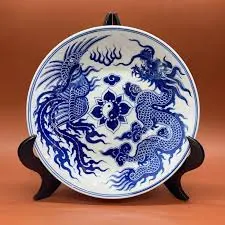
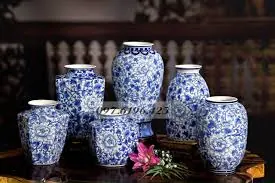
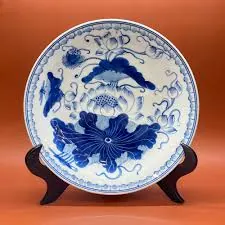
Cobalt blue glaze is considered one of the earliest used glazes in Bát Tràng pottery, dating back to the 14th century. The characteristic blue patterns against the white glaze background create a striking contrast, accentuating decorative motifs such as flowers, dragons, phoenixes, and natural landscapes. This glaze is widely used in products like bowls, plates, flower vases, and worship items. The 14th–15th-century cobalt blue ceramics from Bát Tràng are easily recognized by their bold brush strokes, whether depicting landscapes, floral motifs, or dragons.
The craftsmen of Bát Tràng use cobalt blue glaze with brushwork techniques to paint directly onto ceramic surfaces. Unlike brown glaze, cobalt blue is always covered with a glossy white layer, achieving a high glassy finish after firing. Its hues range from light blue to dark blue and even blue-black.
By the 16th century, cobalt blue ceramics often featured darker tones. The glaze was used for painting clouds, decorating embossed dragon patterns, lotus petals, and borders of candlesticks and incense burners. However, in the 17th century, the quality of cobalt blue glaze declined. Many remaining pieces from this era display blurred and smudged motifs, contrasting with the meticulous carved details left unglazed, showcasing peak craftsmanship.
2. Crackled Glaze
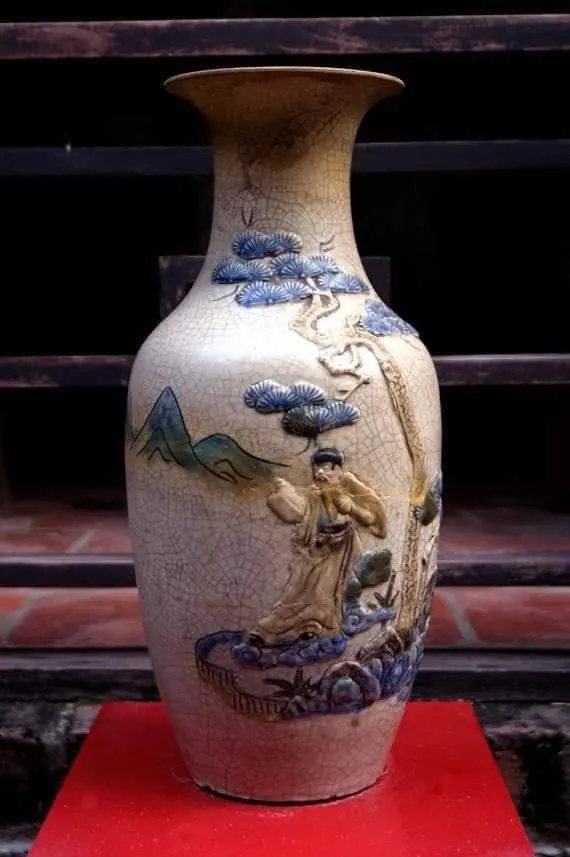
Crackled glaze symbolizes antiquity and sophistication. Natural crack patterns on the surface are created through specialized firing techniques, producing a rustic yet elegant charm. This glaze is typically used for interior decorations and worship items like incense burners, joss stick holders, and flower vases.
This unique glaze results from differences in shrinkage between the ceramic body and the glaze during firing. Historical records confirm that crackled glaze was produced exclusively in Bát Tràng from the late 16th to early 20th centuries.
In the 18th century, crackled-glaze ceramics were often inscribed with dates. A crackled-glaze censer from 1736 features grayish-white patterns, while another from 1740–1768 displays ivory-yellow tones. Other notable products include bamboo-shaped candle holders, lidded pots, and foo dog statues.
By the 19th century, crackled glaze remained prevalent, often combined with cobalt blue or brown glaze, and applied to products with embossed or carved designs. The glaze's grayish-white tone became a signature of this period.
3. Ivory Glaze
Ivory glaze exudes elegance and subtlety. Its soft, off-white color imparts a gentle and refined aesthetic. This simplicity allows ivory-glazed products to blend seamlessly into various spaces and styles, particularly modern settings.
This glaze often exhibits shades ranging from ivory-yellow to grayish-white, depending on firing temperatures. In many cases, ivory glaze is used alone, but it has also been applied over cobalt blue or brown glaze decorations. The high firing temperature, combined with carefully refined ceramic bodies, results in durable products. Despite its thinness, ivory glaze sometimes exhibits crack patterns over embossed decorations.
In the 17th and 18th centuries, ivory glaze was extensively used for incense burners featuring embossed dragons and crescent moon motifs, adding a touch of luxury to these traditional items.
4. Brown Glaze
Brown glaze reflects the rustic charm of traditional Vietnamese village life. This warm-toned glaze is commonly found on large ceramic items like jars, urns, and pots, evoking a sense of peace and connection to nature.
On 14th–15th-century ceramics, brown glaze was used for decorative motifs over an ivory-white base, including candlesticks, jars, and bowls. This glaze often appeared in reddish-brown tones and had a matte finish with a slightly textured surface. Craftsmen also employed a technique of scraping off parts of the glaze to create patterns on the unglazed surface. Over time, innovations included layering brown glaze over ivory-white, transitioning the tone to a golden brown.
By the 16th and 17th centuries, brown glaze was used alongside jade green and ivory glaze, adding depth and variety to the designs. It often highlighted dividing lines, floral motifs, or dragon patterns on rectangular incense burners.
5. Flame-Effect Glaze
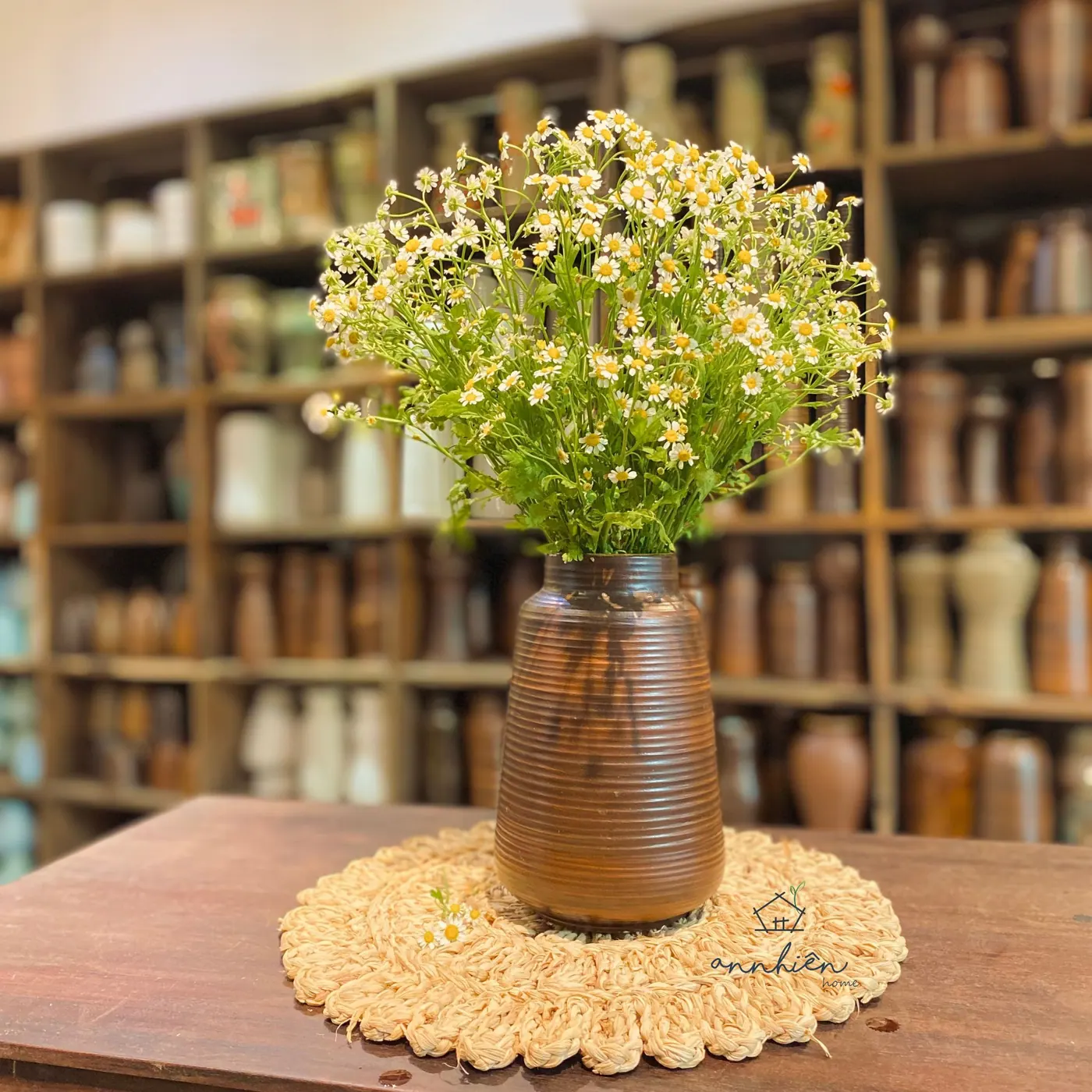
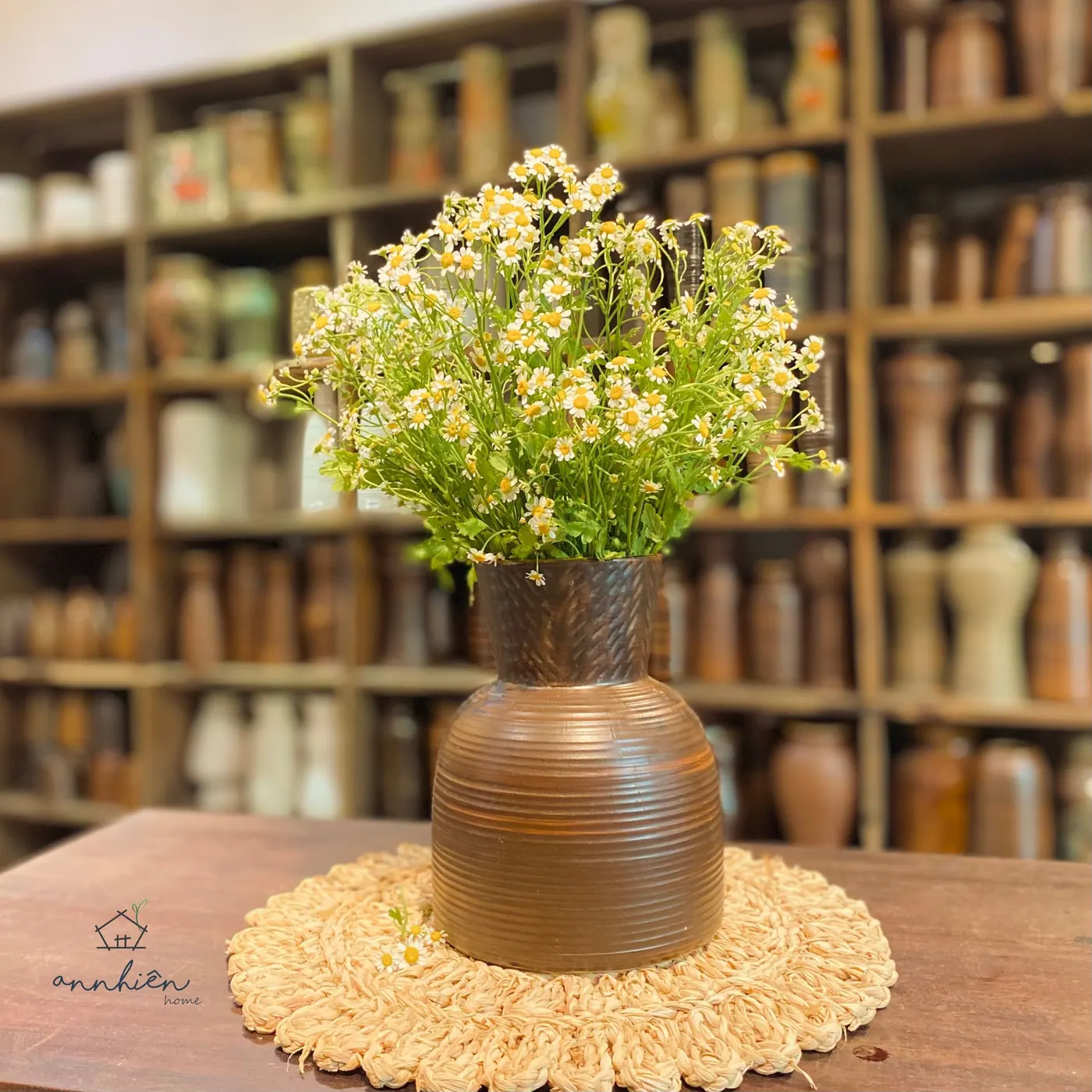
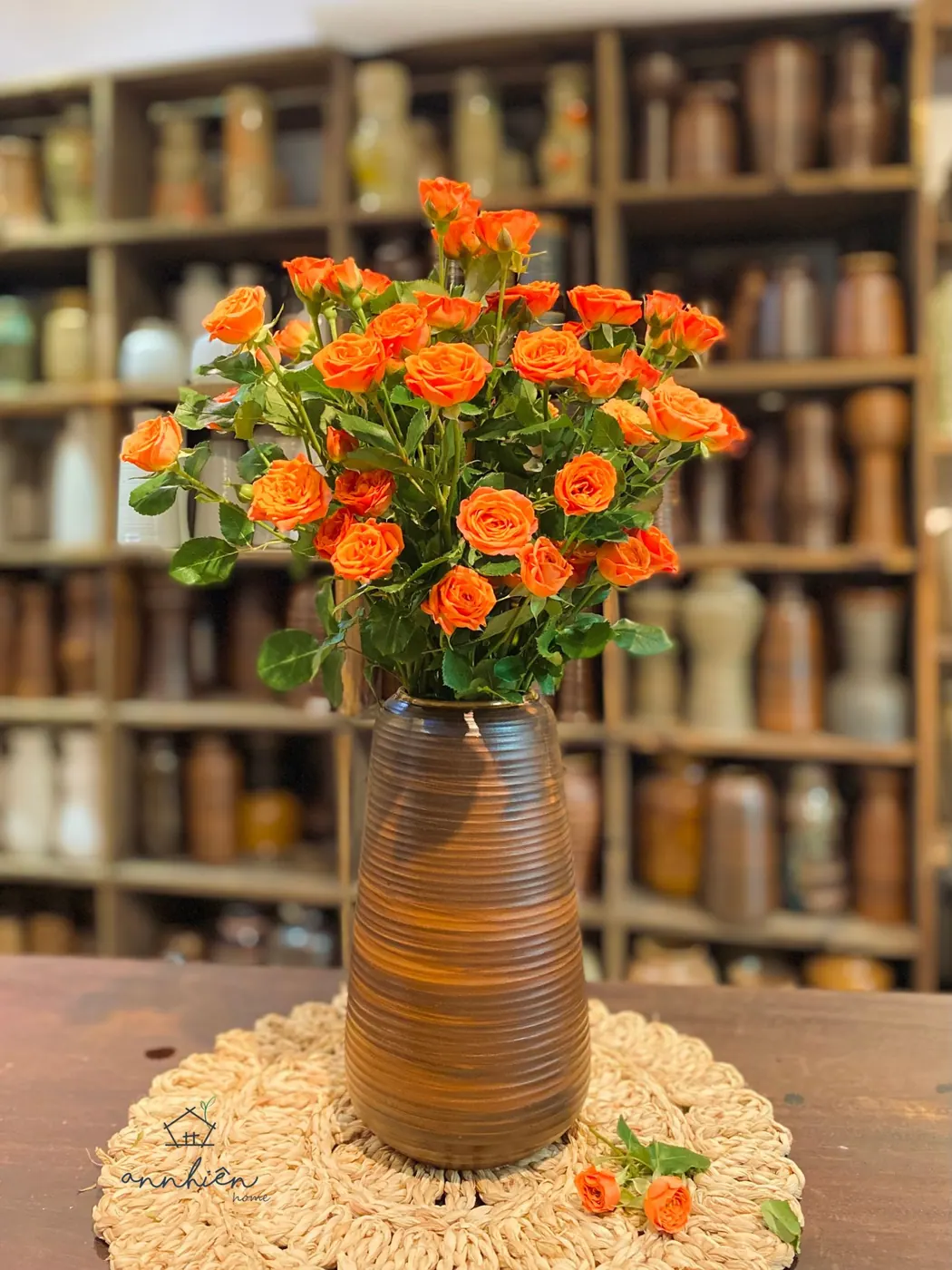
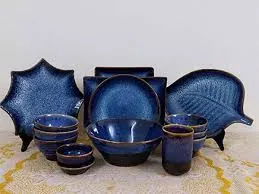
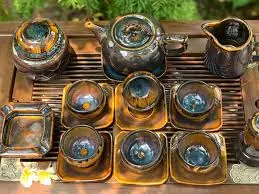
Flame-effect glaze represents a pinnacle of artistic creativity, achieved through the unpredictable interactions of heat and fire during the firing process. Each piece displays unique, naturally occurring patterns, making no two items identical. This glaze is favored for high-end decorative items and collectibles.
The flame-effect glaze showcases the mastery of kiln temperature control, creating a dynamic palette of colors that seems to dance across the ceramic surface. Products adorned with this glaze are fired at varying temperatures and kiln levels, resulting in a rich array of hues. This uniqueness makes it highly sought after for home and office decorations, adding a striking focal point to any space.
Conclusion
The diversity and uniqueness of these glazes have established Bat Trang pottery as a world-renowned ceramic brand. Each glaze tells its own story and embodies distinct artistic value, contributing timeless beauty to Bát Tràng ceramics. If you're seeking a product that captures the essence of Vietnamese culture, Bát Tràng pottery is the perfect choice.
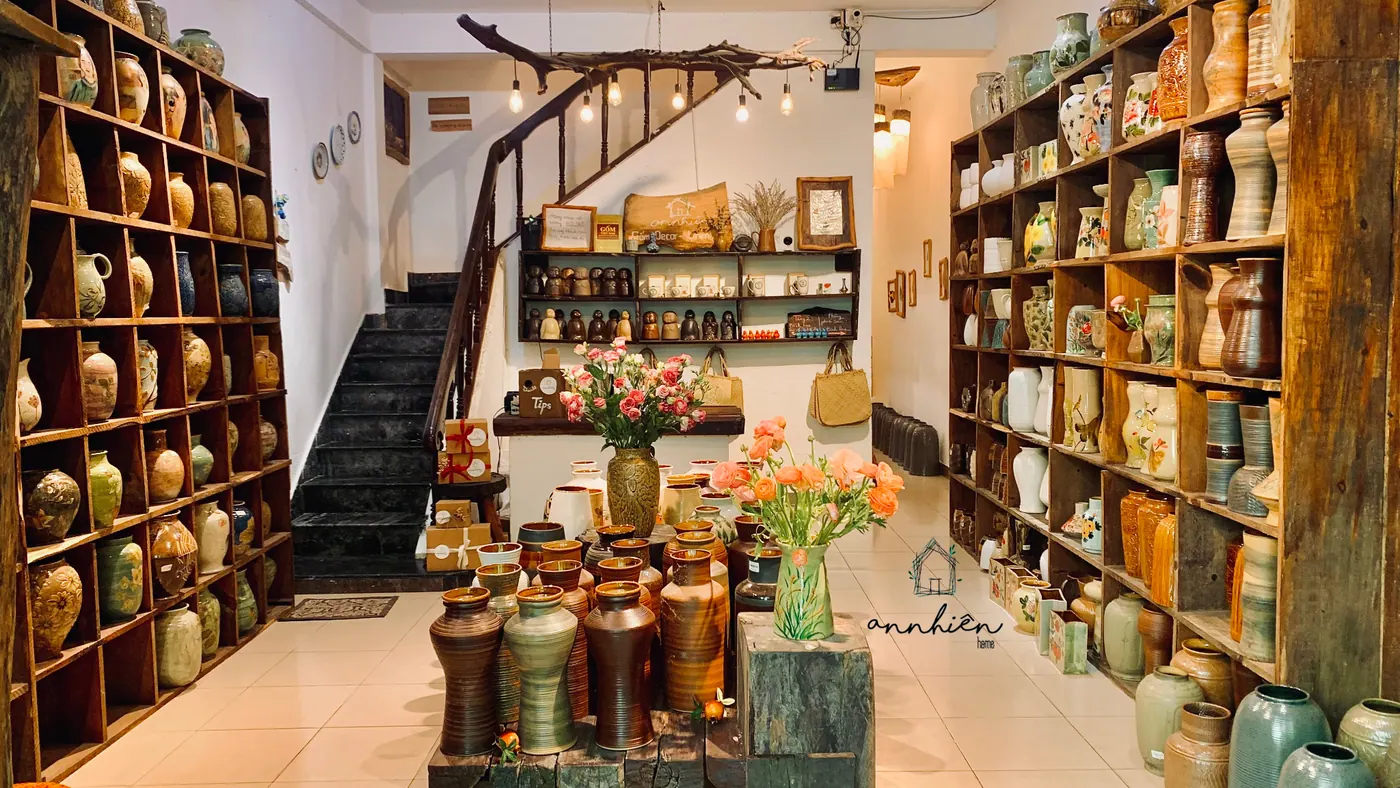
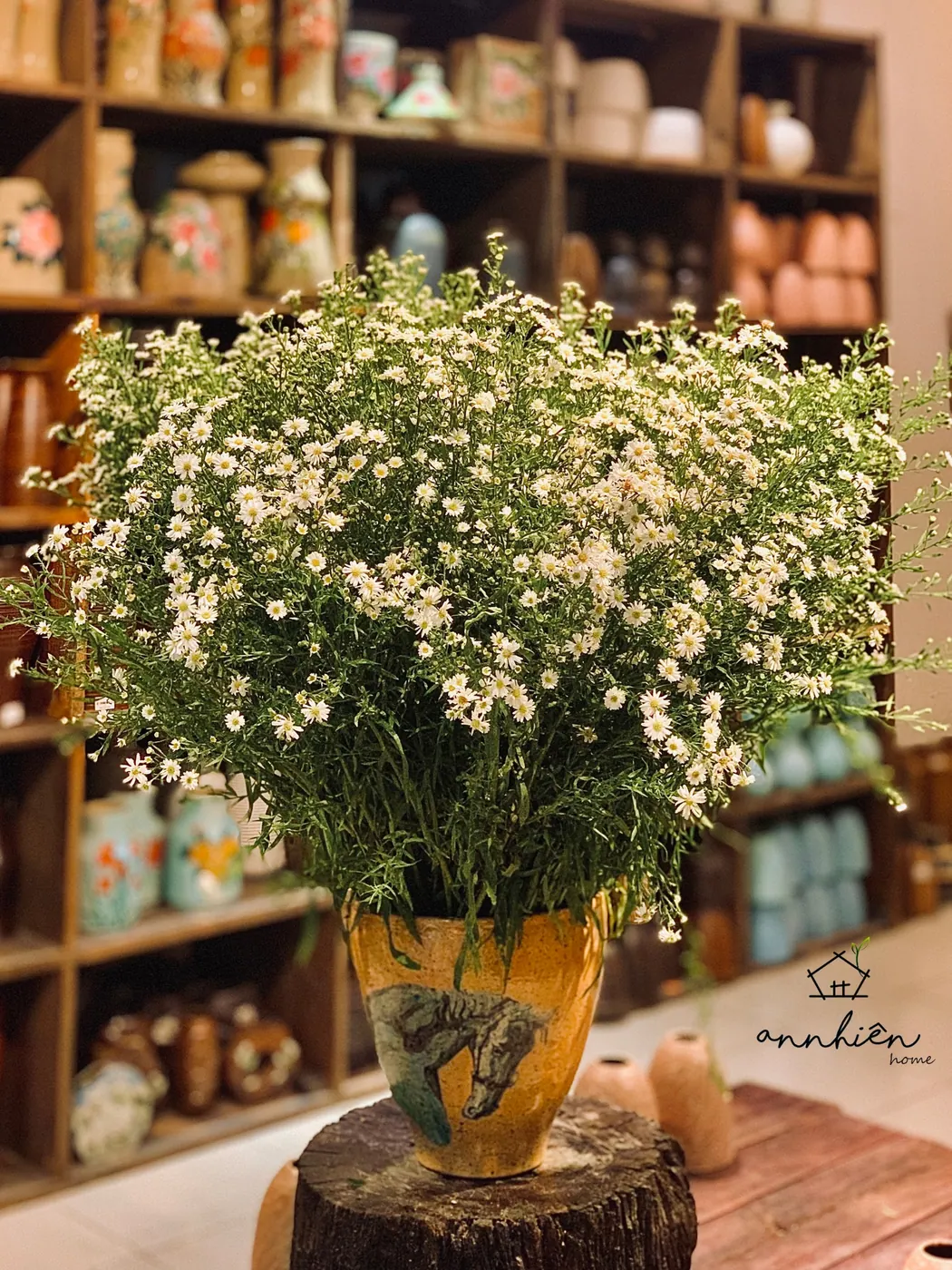
For Tet decorations, An Nhien's Home offers a wide range of vases for peach blossoms and other flowers in various sizes to suit your needs. Visit us to find the perfect ceramic items to adorn your home.
- Details
Address: 84 Nguyễn Chí Thanh, Hải Châu, Đà Nẵng (9AM - 9PM every day)
Hotline: 0375 741 093
Website: annhienhome.com
Social Media (Facebook, TikTok, Instagram, Shopee): An Nhien Home
See more information about the shop in here
Supplying household ceramics (cups, bowls, plates, flower vases, Ikebana vases); gifts (souvenirs, birthday gifts, wedding gifts, housewarming gifts, anniversary gifts, year-end gifts, commemorative gifts, etc.).